Holiday Lighting Blog
LED vs. Incandescent Christmas Lights: Cost, Safety and Looks
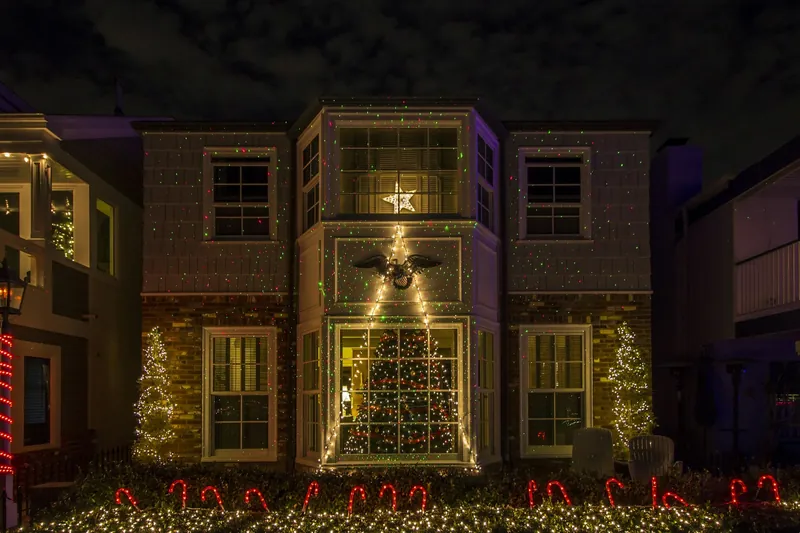
Example photo
If you've been holding onto old incandescent strands, you may wonder whether switching to LED is worth it. For outdoor displays, the case for LED is strong. Here's why, and the one thing to watch for.
Energy use
LEDs use dramatically less electricity. The U.S. Department of Energy notes that residential LEDs use at least 75% less energy than incandescent lighting and can last up to 25 times longer. On a large display that runs every evening for six weeks, that difference shows up on your bill, and it means more lights can safely share an outdoor circuit.
Safety
- Less heat. LEDs run much cooler than incandescent bulbs, which matters around dry needles, wreaths and garland.
- More strands per outlet. The CPSC advises never connecting more than three sets of incandescent lights together. Lower-draw LED sets typically allow more, so always follow the manufacturer's label.
- Sturdier bulbs. Many LED bulbs are plastic or epoxy rather than thin glass.
Lifespan and reliability
Quality LED strands hold up for many seasons, and many professional-grade sets let you replace individual bulbs. Cheaper sets can still fail early, so quality matters more than bulb type alone.
Looks: the one thing to watch
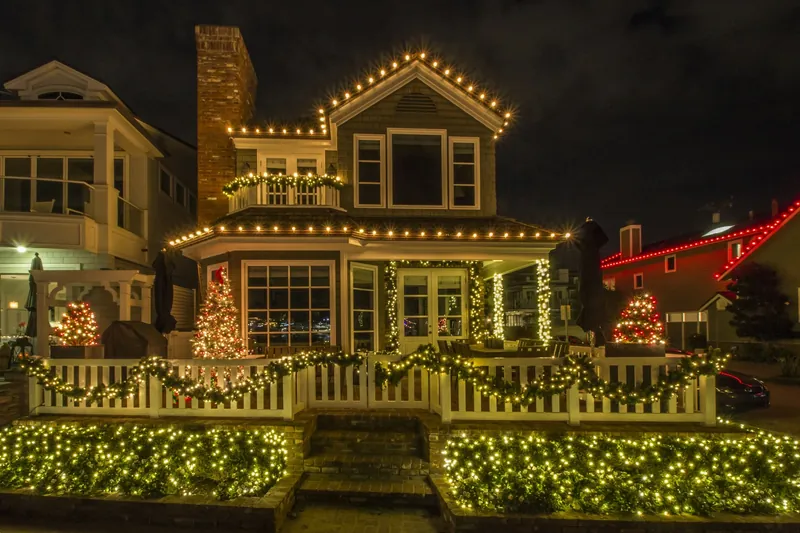
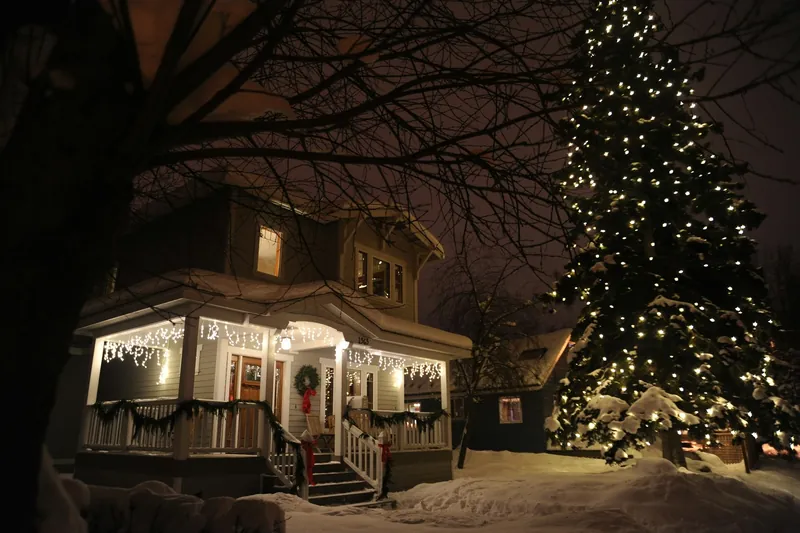
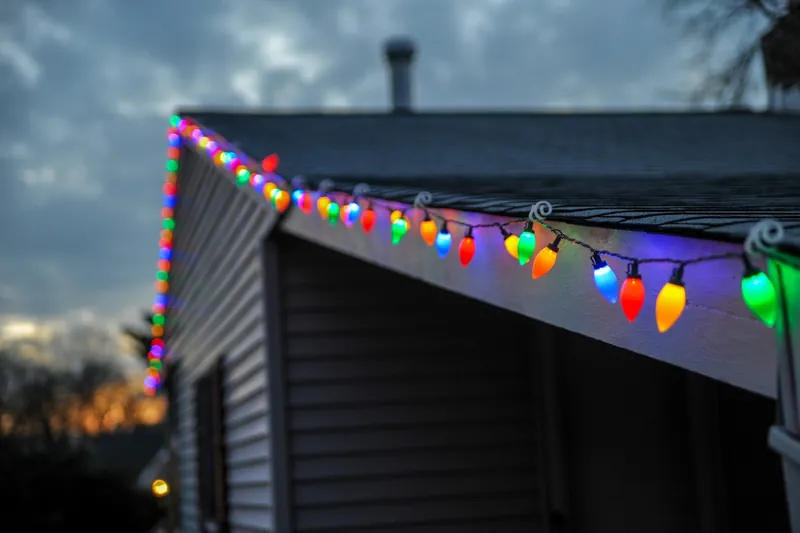
Early LEDs had a reputation for a harsh, bluish "cool white." Today's warm white LEDs closely match the cozy glow of incandescent. If you want that classic look, ask specifically for warm white. Cool white suits a crisp, modern, icy style. Multicolor LEDs are bright and saturated.
| LED | Incandescent | |
|---|---|---|
| Energy use | Very low | High |
| Heat | Cool to the touch | Warm/hot |
| Lifespan | Long | Short |
| Classic warm glow | Yes (choose warm white) | Yes |
| Up-front cost | Higher | Lower |
What we use
We install energy-efficient LED holiday lights in warm white, multicolor and accent colors, and help you choose the look that suits your home. See our residential installation options or request a free quote.